

Good coffee is a reliability problem
Peak performance is impressive. Reliability is harder.
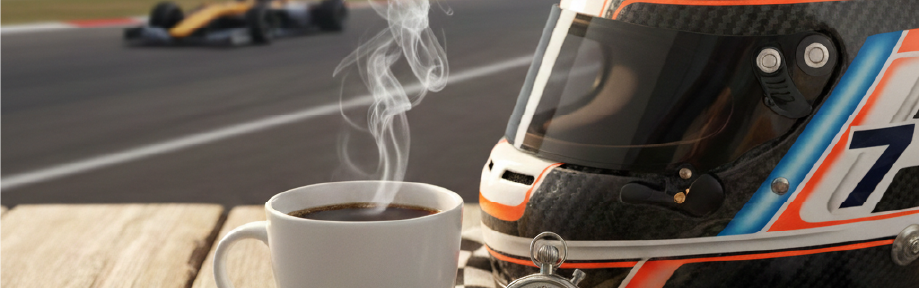
In many fields, we celebrate the best possible outcome. The fastest lap. The highest score. The most expressive result. Coffee is no exception. We often talk about the most interesting cup, the most complex flavour, the coffee that surprised us the most.
And that curiosity matters. But most people don’t drink coffee once. They drink it every day. That changes the problem.
Peak performance and everyday performance are different goals
A coffee that tastes exceptional once is an achievement. A coffee that tastes good, consistently, across days, brews, moods, and contexts is something else entirely.
Peak performance optimises for a moment. Reliability optimises for real life.
In engineering terms, these are different objectives. You can push a system to its limits, or you can design it to behave predictably under normal conditions. Doing both at the same time is possible, but it requires intent.
Coffee often gets judged on its peaks. People live with its averages.
Novelty isn’t the enemy. Fatigue is.
New coffees are exciting. New flavours keep things interesting. Exploration is part of why specialty coffee exists in the first place.
Most people enjoy trying something new from time to time. A different coffee on a slow weekend morning. Something more demanding when there’s time to pay attention. A cup that asks a bit more and gives something back.
What people don’t want is novelty as a default. Constant change demands effort. It asks the drinker to recalibrate every time. That can be enjoyable occasionally. It’s exhausting if it’s all there is.
Reliability doesn’t replace curiosity. It makes space for it.
Trust is built through repetition
When people return to the same coffee, it’s rarely because it was the most surprising. It’s because it was dependable.
They knew what to expect. They trusted the outcome. The coffee fit into their routine without asking for much in return. That doesn’t mean they never want anything else. It means they want a baseline they can rely on, and room to explore beyond it when the moment is right.
Reliability isn’t sameness. It’s controlled difference.
Reliability is designed, not hoped for
Good outcomes don’t repeat by accident. They repeat because someone paid attention to the system that produced them. Inputs were understood. Variability was accounted for. Limits were defined. Trade-offs were accepted.
In coffee, reliability comes from:
- clear intent
- stable processes
- honest evaluation
- and knowing when not to chase marginal gains
This work doesn’t eliminate experimentation. It supports it.
A stable system makes it possible to push boundaries without losing the plot.
Notes from our Lab Bench
We’ve had coffees that were fragile and demanding, and we still loved working with them.
They required precision. They punished shortcuts. When everything lined up, they were remarkable. When it didn’t, they reminded us why reliability matters.
We’ve also had coffees that held up across brews, days, and small mistakes. They didn’t shout. They stayed balanced. They were easy to live with.
Both have a place. What matters is knowing, which is which, and designing the system so neither is accidental.
Where this leaves us
Good coffee isn’t defined by how far it can be pushed. It’s defined by how well it fits into life.
At Heart of Coffee, we design for reliability so that coffee can be trusted day to day. And we experiment and push the boundaries so that curiosity stays alive. Some coffees are built to be dependable companions. Others are invitations to slow down, pay attention, and work a little harder.
Neither cancels the other out. Reliability gives exploration a place to stand. Exploration keeps reliability from becoming the status-quo.
Doing both takes work. We think it’s worth it.
 English
  French