Stories. Experiments. Behind the scenes

Ideas

From Seed to Cup

1. Seed & Planting

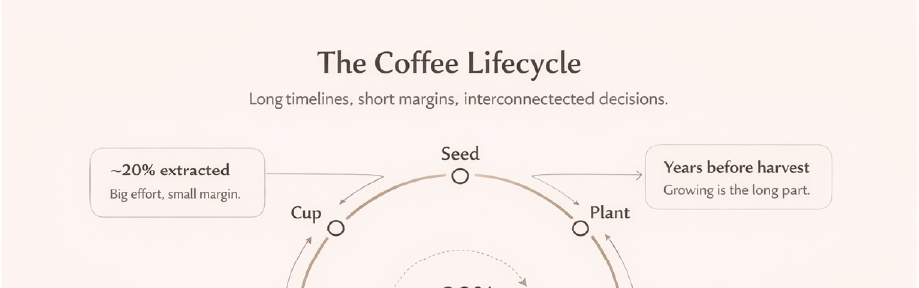
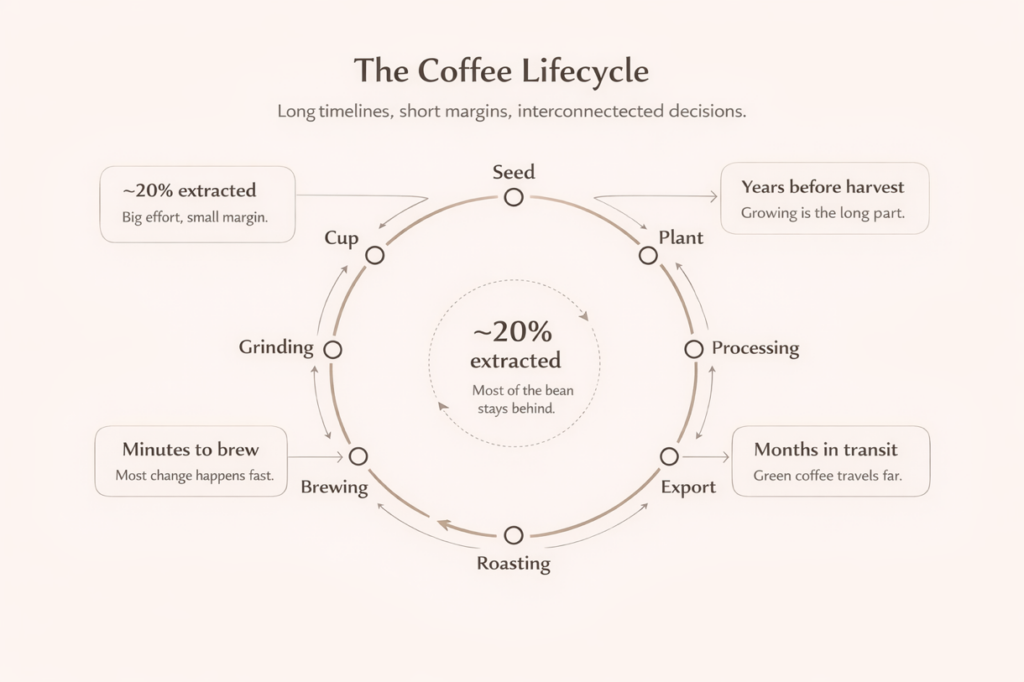
Coffee begins as a seed planted in soil, usually at altitude, in regions close to the equator. The plant requires stable temperatures, specific rainfall patterns, and patience. A coffee plant typically takes 2 to 4 years before producing its first harvest. Coffee is not a fast crop.

2. Growing & Harvesting

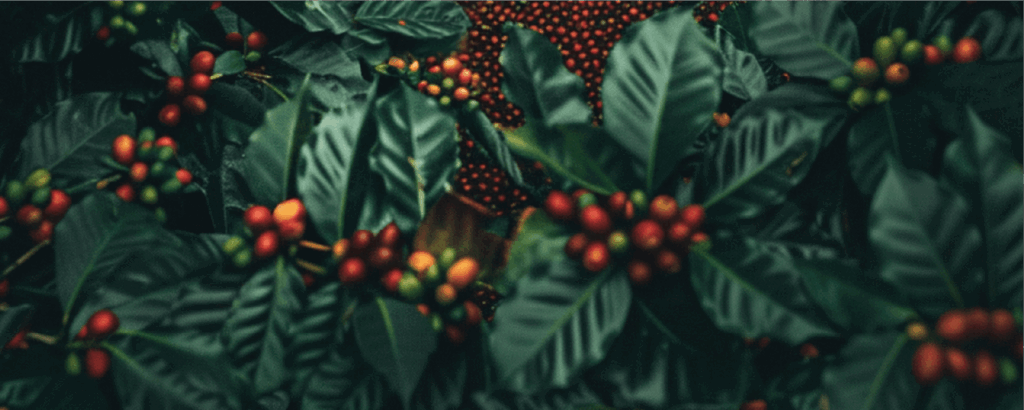
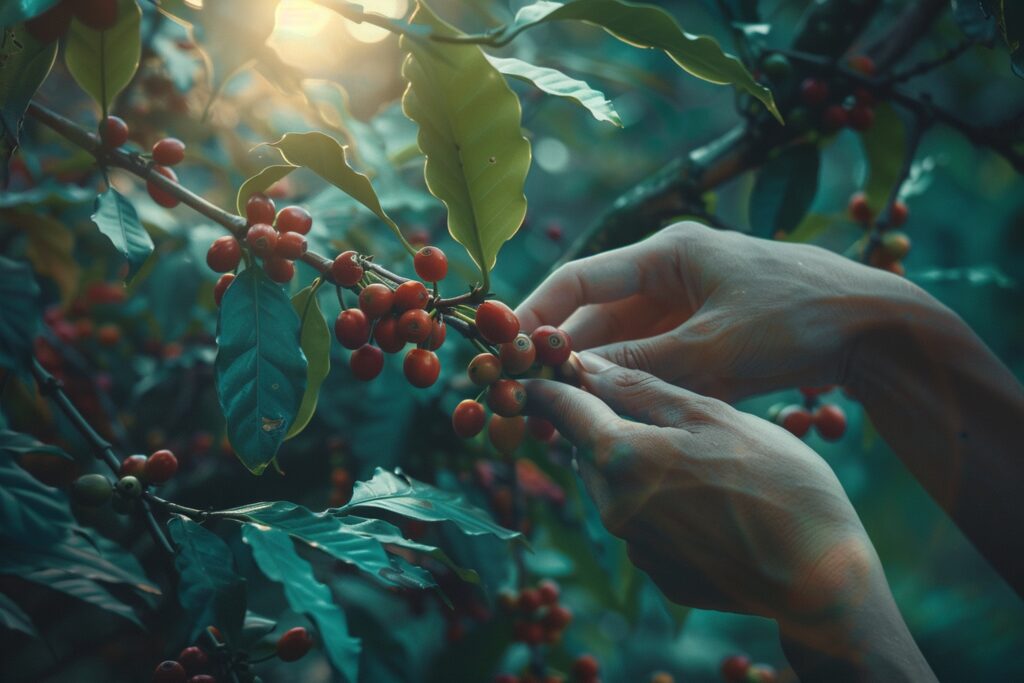
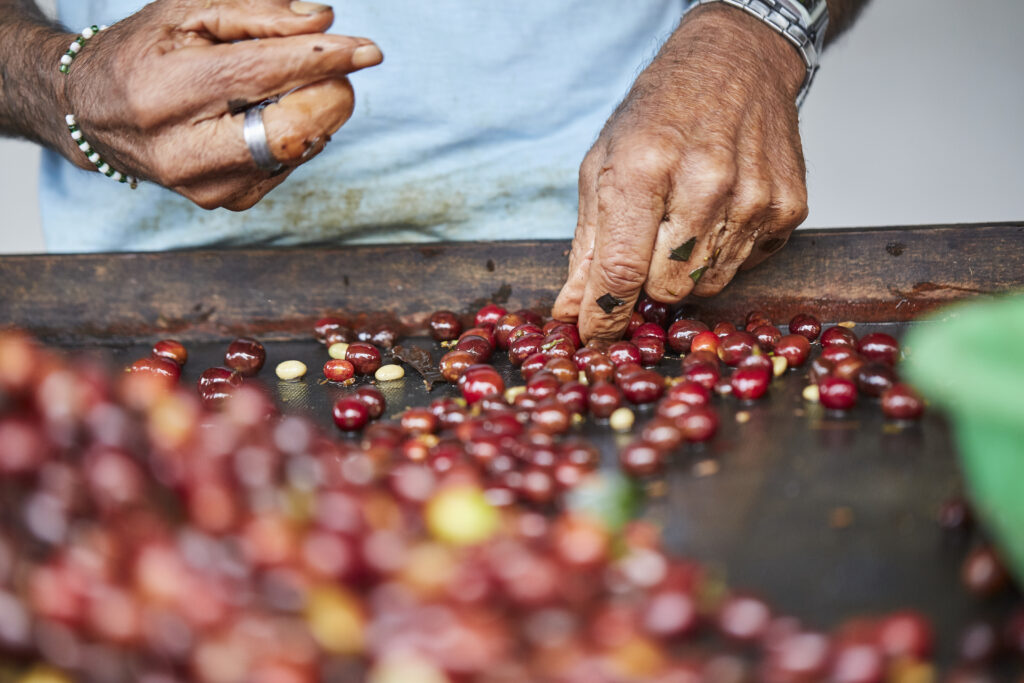
Once mature, the plant produces cherries. Each cherry usually contains two coffee seeds (what we later call beans). Harvesting can be done by hand or machine, depending on terrain and economics. A single coffee plant produces enough coffee per year for roughly 2-3 cups per month.

3. Processing

After harvest, the cherries are placed in water to separate ripe from unripe fruit, as the less dense cherries float while the ripe ones sink. The coffee fruit is then processed to remove the seed (the coffee bean). This can be done using several methods. In the natural process, whole cherries are dried in the sun with the fruit still intact. In the washed process, the cherries are mechanically depulped to remove the fruit before the beans are fermented and washed. In the pulped natural process (also known as honey process), the cherries are partially depulped and then dried in the sun with some of the fruit mucilage still attached, creating a balance between sweetness and clarity. Processing can influence flavour as much as roasting, even though it happens months earlier and thousands of kilometres away.


4. Drying & Milling

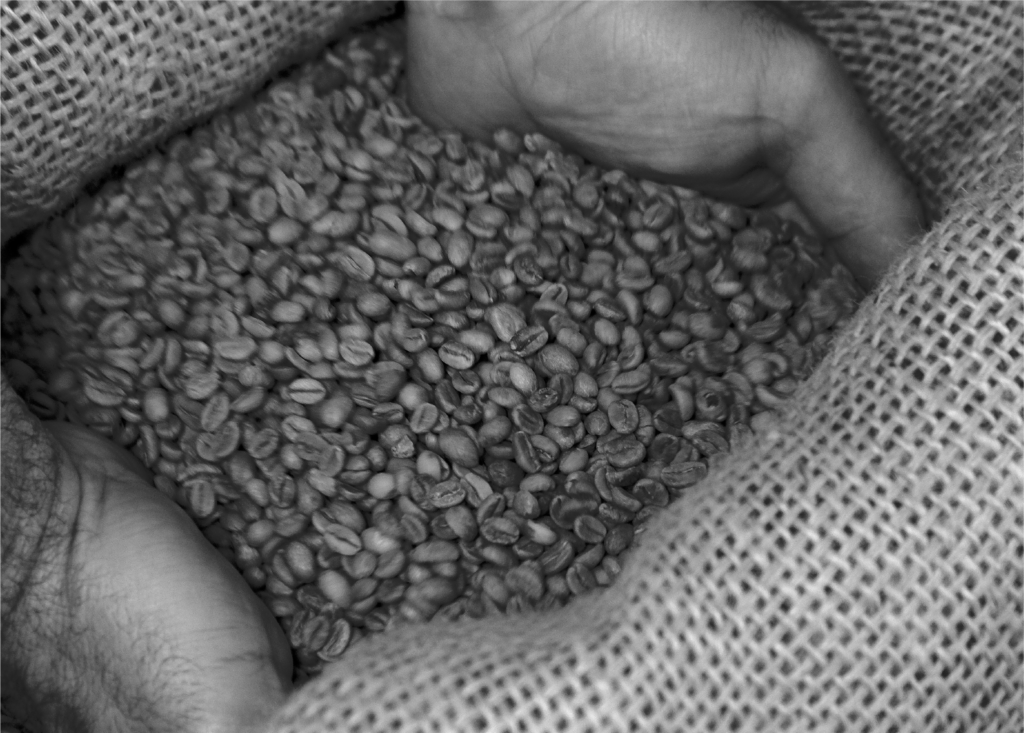
The processed coffee is dried, rested, hulled, sorted, and graded. At this point, it becomes green coffee. It’s dense, stable, and not particularly aromatic. Green coffee can be stored for months or even years under the right conditions without tasting like coffee at all.

5. Export & Logistics

Green coffee is packed and shipped around the world. It may change hands several times before reaching a roaster. By the time coffee reaches a roastery, it has often travelled farther than most people will in a year.

6. Roasting

Roasting applies heat to transform the green coffee chemically and physically. Sugars caramelise, acids shift, and aromatic compounds form. This is where coffee becomes soluble and brewable. Roasting does not “add” flavour. It reveals what was already possible inside the bean.

7. Resting

After roasting, coffee releases carbon dioxide and stabilises. Brewing too early or too late can change how a coffee tastes. Freshly roasted coffee can taste worse than coffee that’s rested for a few days. Fresh isn’t always better.

HoC_Resting

8. Grinding

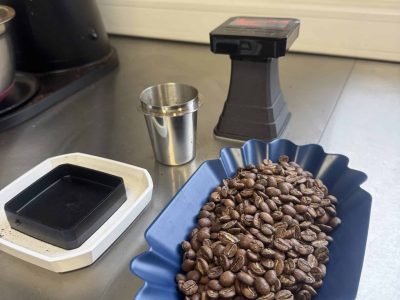
Grinding increases surface area and controls how quickly water extracts flavour. Grind size must match the brewing method. Grinding accounts for more flavour variation than most people realise. It’s often the biggest hidden variable.

9. Brewing

Hot water extracts soluble compounds from the ground coffee. Acids, sugars, and aromatics dissolve. Most of the coffee stays behind. Only about 20–22% of the coffee bean ends up in your cup. Nearly 80% never makes it.

10. The Cup

What you taste is the result of every decision made before this point. Farming, processing, transport, roasting, resting, grinding, and brewing all interact here. The cup is the smallest part of the system, but the only one people see.

What This Means

Coffee is not a single action. It’s a chain of trade-offs.

Every step narrows what is possible later. By the time coffee reaches the cup, there’s very little left to “fix.” That’s why care upstream matters more than precision downstream.

Coffee rewards coherence, not shortcuts.