Stories. Experiments. Behind the scenes

Ideas

Brewing Methods

These are reference points, not rules. Taste matters more than precision.Chemex

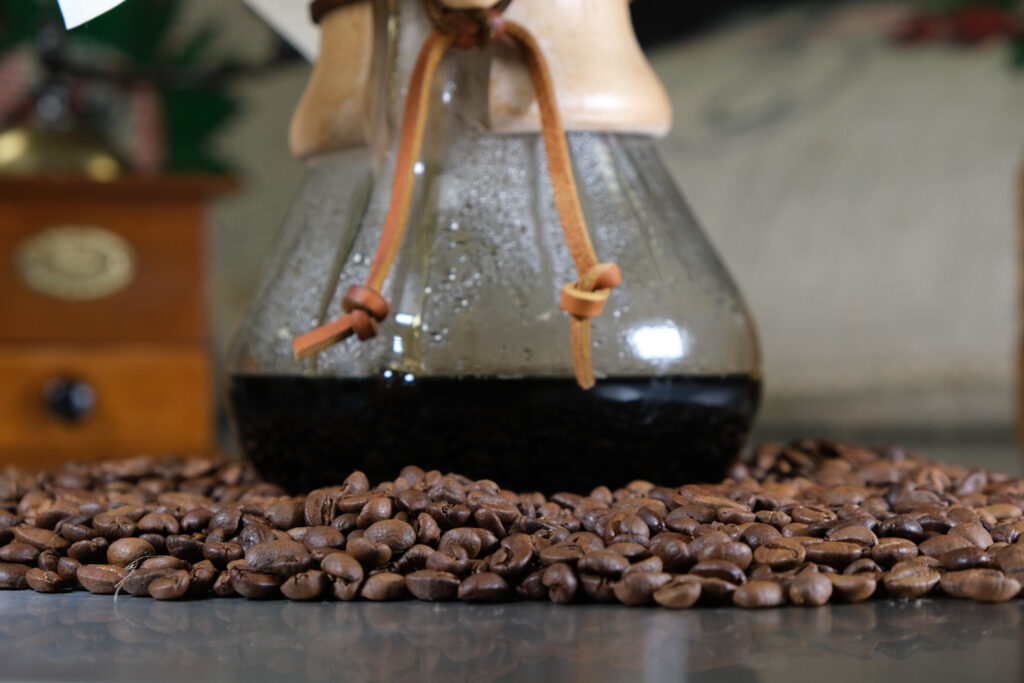
Chemex

  • Coffee: ~30g
  • Grind: Medium–coarse
  • Water: ~500ml
  • Time: 4–5 minutes

Clean, clear, and forgiving. The thick paper filter removes oils, which makes flavours feel lighter and more structured. Great if you like clarity and subtlety. Also excellent if you like watching coffee drip while pretending you’re very focused.

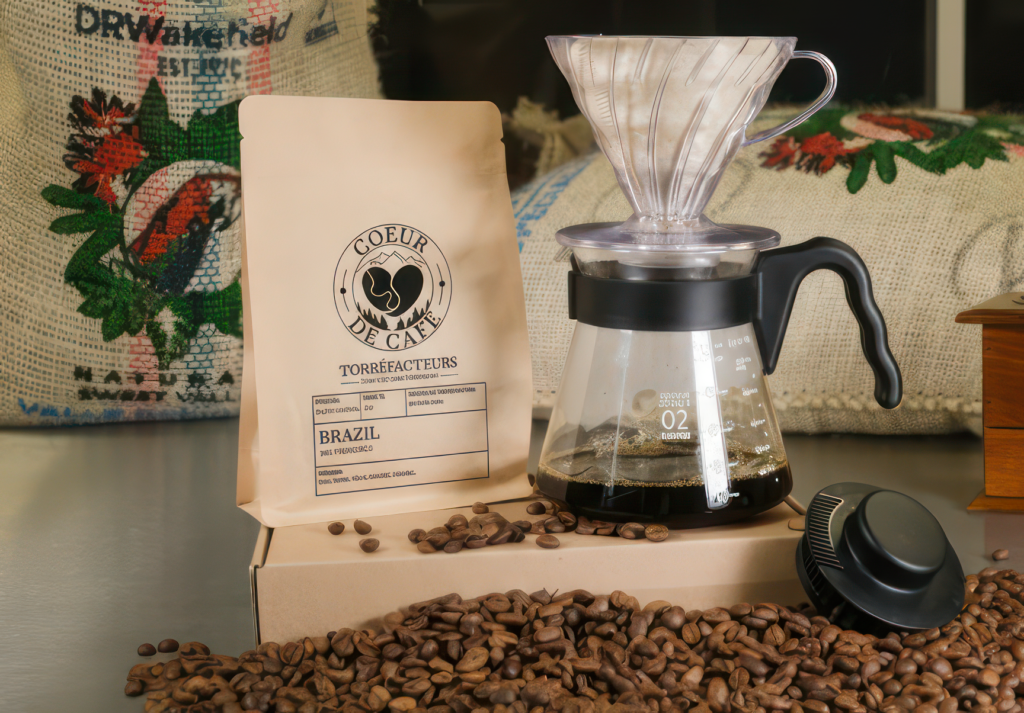
V60

  • Coffee: ~20g
  • Grind: Medium–fine
  • Water: ~300ml
  • Time: 2.5–3 minutes

More control, more responsibility. Small changes matter more here. When it’s good, it’s excellent. When it’s not, it teaches humility. A favourite for people who enjoy adjusting variables and talking about it.

French Press

  • Coffee: ~30g
  • Grind: Coarse
  • Water: ~500ml
  • Time: 4 minutes

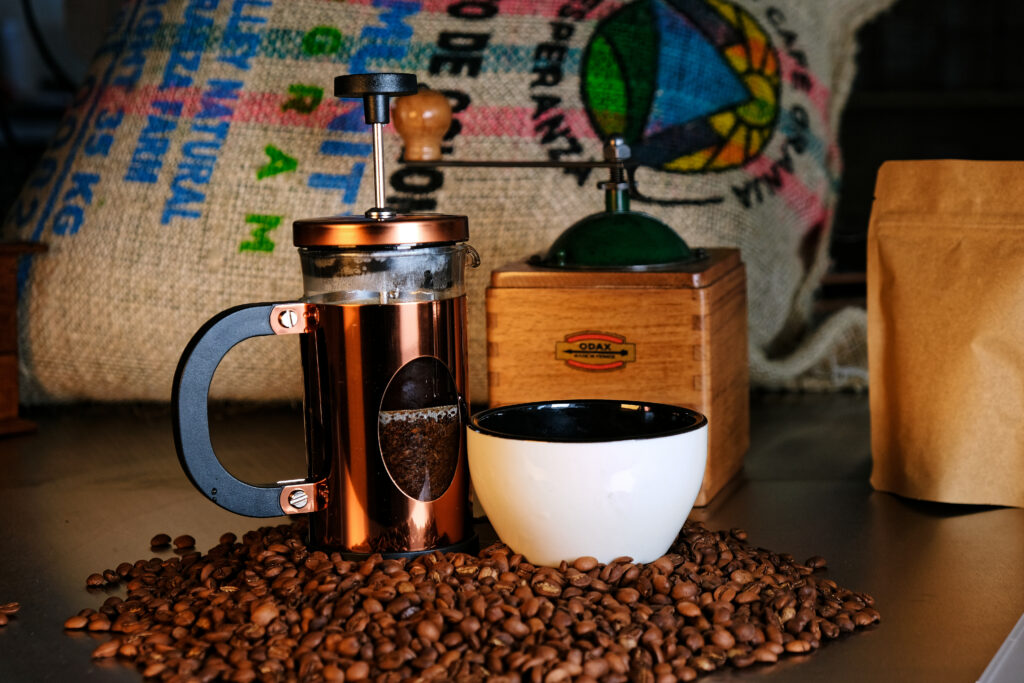
Simple, rich, and generous. Oils stay in the cup, which gives body and texture. Hard to break, easy to share. If you like coffee that feels like coffee, this is a solid place to start.

Espresso

  • Coffee: ~18–20g
  • Grind: Fine
  • Yield: ~36–40g
  • Time: 25–30 seconds

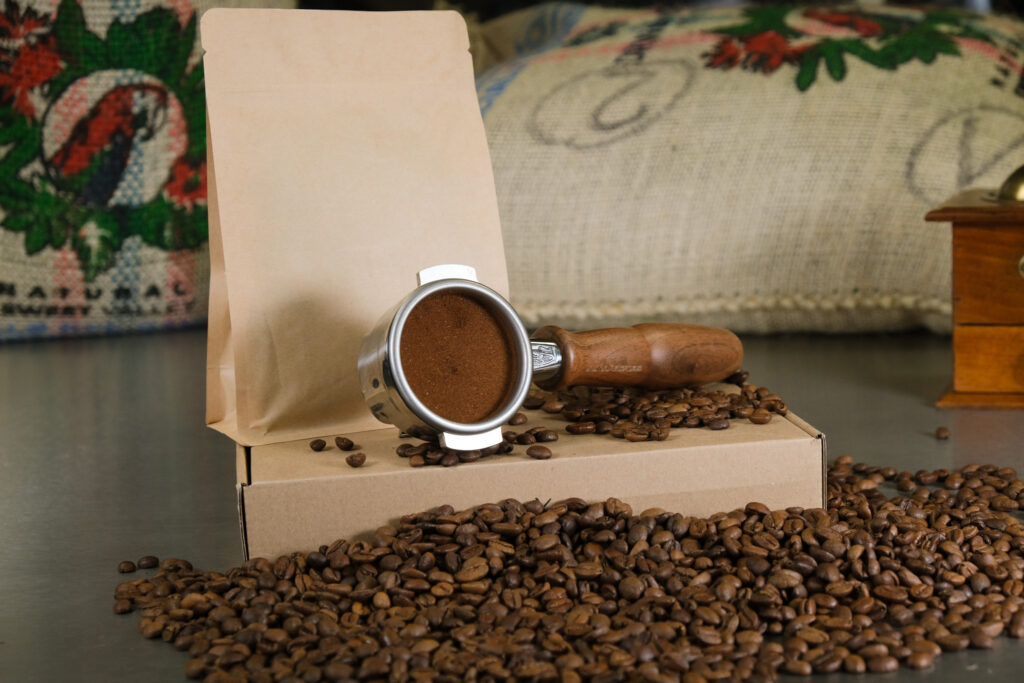
Compact, intense, and sensitive. Espresso magnifies everything: quality, errors, mood. It’s less about the recipe and more about alignment between coffee, grind, machine, and patience. When it works, it’s very satisfying.


Turkish Coffee

  • Coffee: ~7–8g per cup
  • Grind: Extra fine (almost powder)
  • Water: ~70–80ml
  • Time: 2–3 minutes (no brewing, just heating)

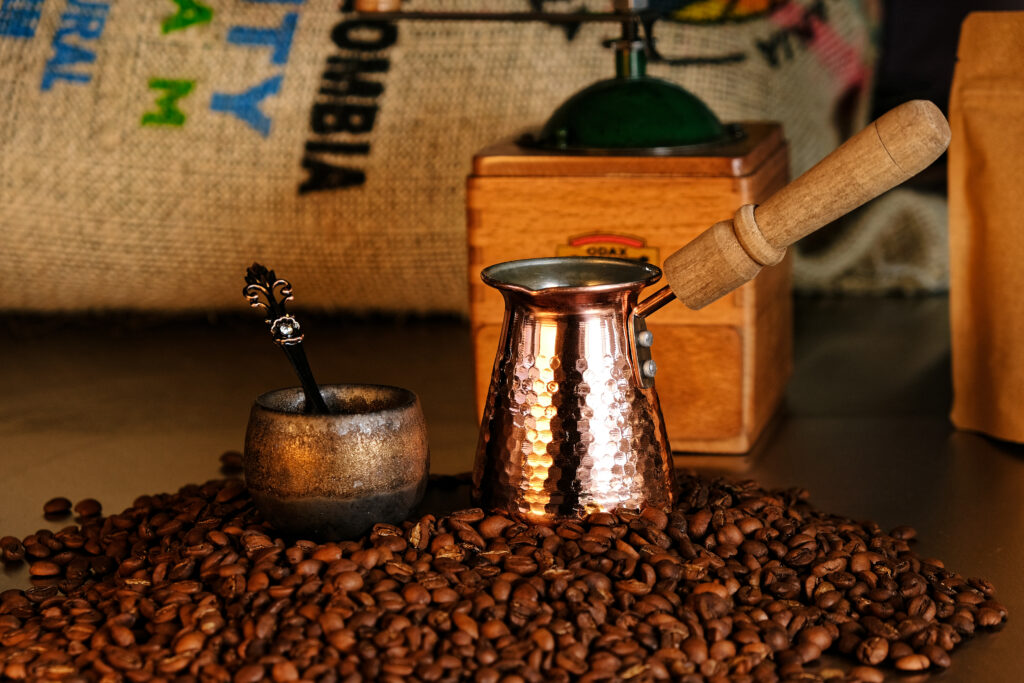
One of the oldest methods still in use. Coffee is never filtered. Everything ends up in the cup, including the grounds. Strong, textured, and unapologetic. Best enjoyed slowly, preferably with conversation.